Show all
Echocardiography guidelines from the ASE are now recommending the inclusion of strain imaging as a powerful complement to traditional function parameters.
Experts in the field do a FAQ session on strain and how to successfully implement these measurements as part of routine diagnosis and risk stratification.
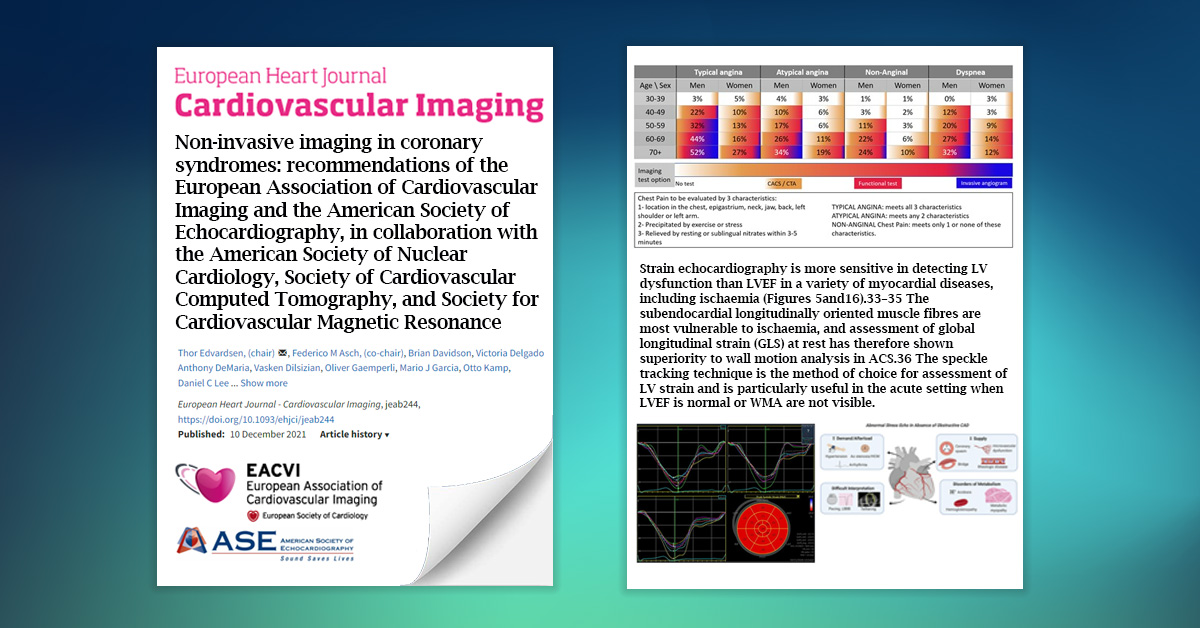
The EACVI and ASE have expanded the role of echocardiography to support the fight against coronary artery disease, with rest and stress echo being fundamental to the detection of coronary artery disease.
The burden of heart failure (HF) on patients and clinicians, and the need to diagnose it more quickly and efficiently, is severe and constantly increasing.
COVID-19 placed echocardiography departments under mounting new pressures while shining a floodlight on existing challenges. Learn more on how AI helps.
Artificial intelligence services can help streamline workflows and increase throughput, enabling echocardiographers to better measure global longitudinal strain (GLS) more routinely without impacting productivity
The British Society of Echocardiography has announced cardio-oncology guideline published jointly with the British Cardio-oncology Society
Here are the top 5 limitations of Strain echocardiography and how AI overcomes them
What's to grain from strain imaging? Learn more about strain echocardiography from our latest article and download our free ebook on myocardial strain.
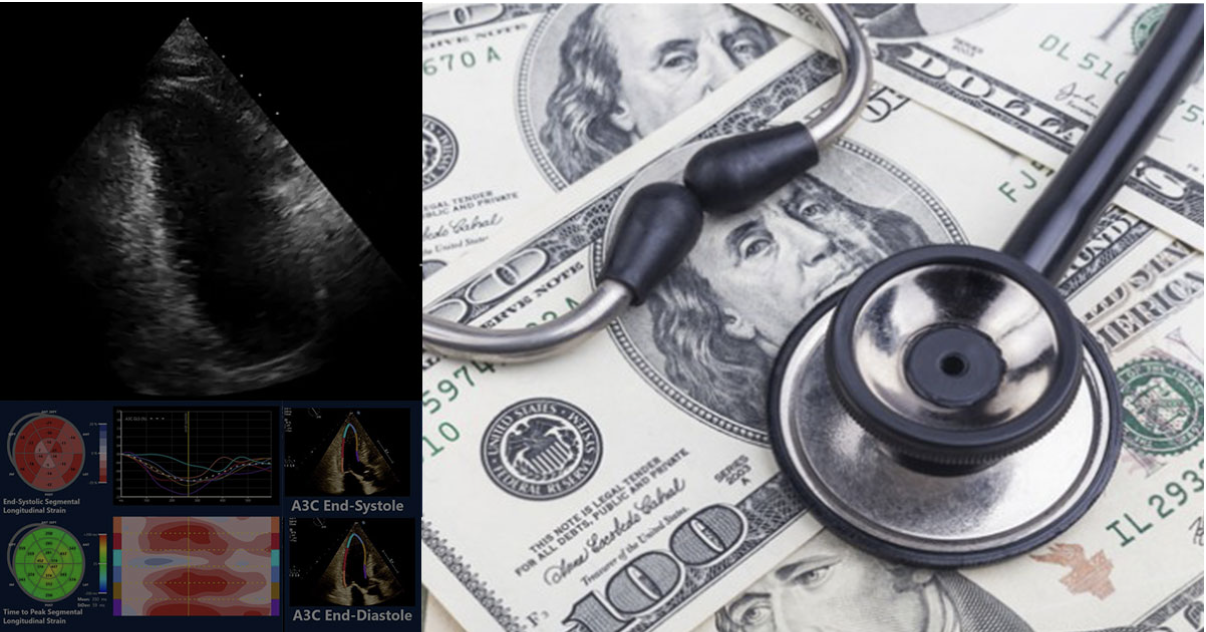
As of January 1 2020, cardiologists in the United States can now report and bill for myocardial strain imaging using the new Category 1 CPT code +93356.
Sign-up to hear about the latest news.
Sign up to newsletter
cases processed